
For oss flyglade, -som kanskje også husker «Band of brothers», tør man håpe på noe av samme kvalitet?
Kun få dager igjen til den starter på Apple TV+. Ligger en del der som er verdt å se, i suveren kvalitet.
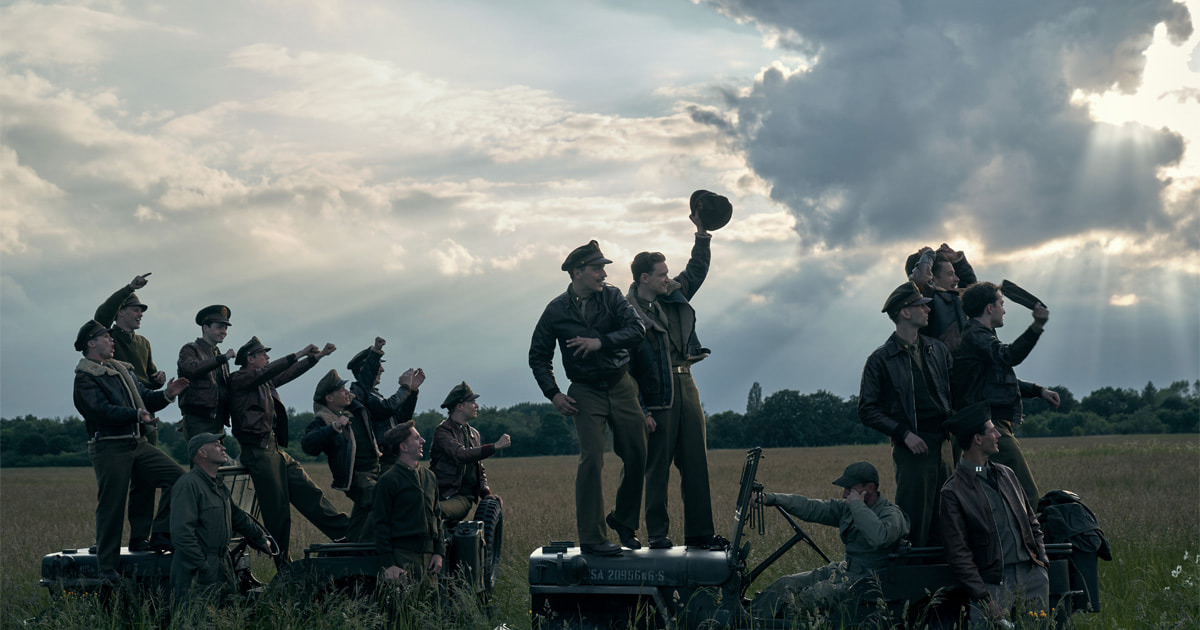
Kun få dager igjen til den starter på Apple TV+. Ligger en del der som er verdt å se, i suveren kvalitet.
Apple TV+’s highly anticipated limited series “Masters of the Air” takes flight in first teaser trailer
Apple TV+ unveiled the teaser for limited series, “Masters of the Air,” hailing from executive producers Steven Spielberg, Tom Hanks and Gary Goetzman.
www.apple.com